We’re curious creatures, we humans; in our Western society at least, it is a common conceit to think we are so unique that we’ve each taken a different route to end up where we are; we’ve followed unexpected detours, braved gravel roads that wound through thick, unnamed forests; got lost innumerable times until we found a highway that eventually led us here. Really? It’s difficult to believe we all headed in the same direction; there were surely other paths we could have followed… but apparently most of us didn’t.
Were our routes easier? More convenient? Better marked? In fact it is usually easier to follow the trails of those who preceded us. After all, they no doubt had a reason to travel this way; they were the ones who facilitated the route and invited us to follow… and if it made sense to them, why would we question the destination after all these years? For some things at least, why strike off in another direction; why resist their well-trodden more comfortable path? Is there really a problem with where they -where we– ended up? Or did our long-forgotten ancestors not care whether we ignored their trails…?
The more I think about things, the more I wonder who caused what. How should we decide what is cause, and what is effect. Some routes, I suppose, are obvious: causes preceded their effects in time. But what if we are not of that time? What if some events happened so very long ago, their context is muddled? Their order merely assumed? How would we ever know if we, too, were confused…?
Once something becomes an established ‘fact’ it often requires a paradigm shift to dislodge it. As Carl Sagan once famously claimed, ‘Extraordinary claims require extraordinary evidence’. Perhaps, though, we should be willing to entertain new ideas and occasionally peek between the curtains to see if there is something more interesting outside the room where we have decided to live. Knowledge seldom remains static for long. It’s so difficult to know where to turn if the map we’ve been following is being constantly revised…
But, is History really immutable: fixed for all times because it has already happened? To non-historians, our knowledge of the past seems prejudiced. It is usually the winners, the advantaged, who write about events contemporaneous to their lives; the unwitting historian of the time presumably relied on the then available knowledge, unaware that it may later be discarded as unreliable, unfashionable. But, like us, stories about the past evolve with both time and social norms; what is believable in one era, is rejected as foolish in another.
So, what version to accept? Are any beliefs impregnable? Once they have become established as commensurate with current knowledge, is there ever any reason other than curiosity to decide to doubt them?
For example, how unique are we as humans? Is there really a barrier which separates us from other life forms because we, presumably alone, have been able to tell stories, build things, create art? Are we the only creatures that have embedded themselves in culture; are we really so… exceptional? What if we were able to step back for just a moment and try to imagine that the line between animal instincts and human traditions, is not really as immutable as we have come to believe? Would we just be trying to justify our childish belief that animals could talk; that Nature might be able to teach us things…? I wonder.
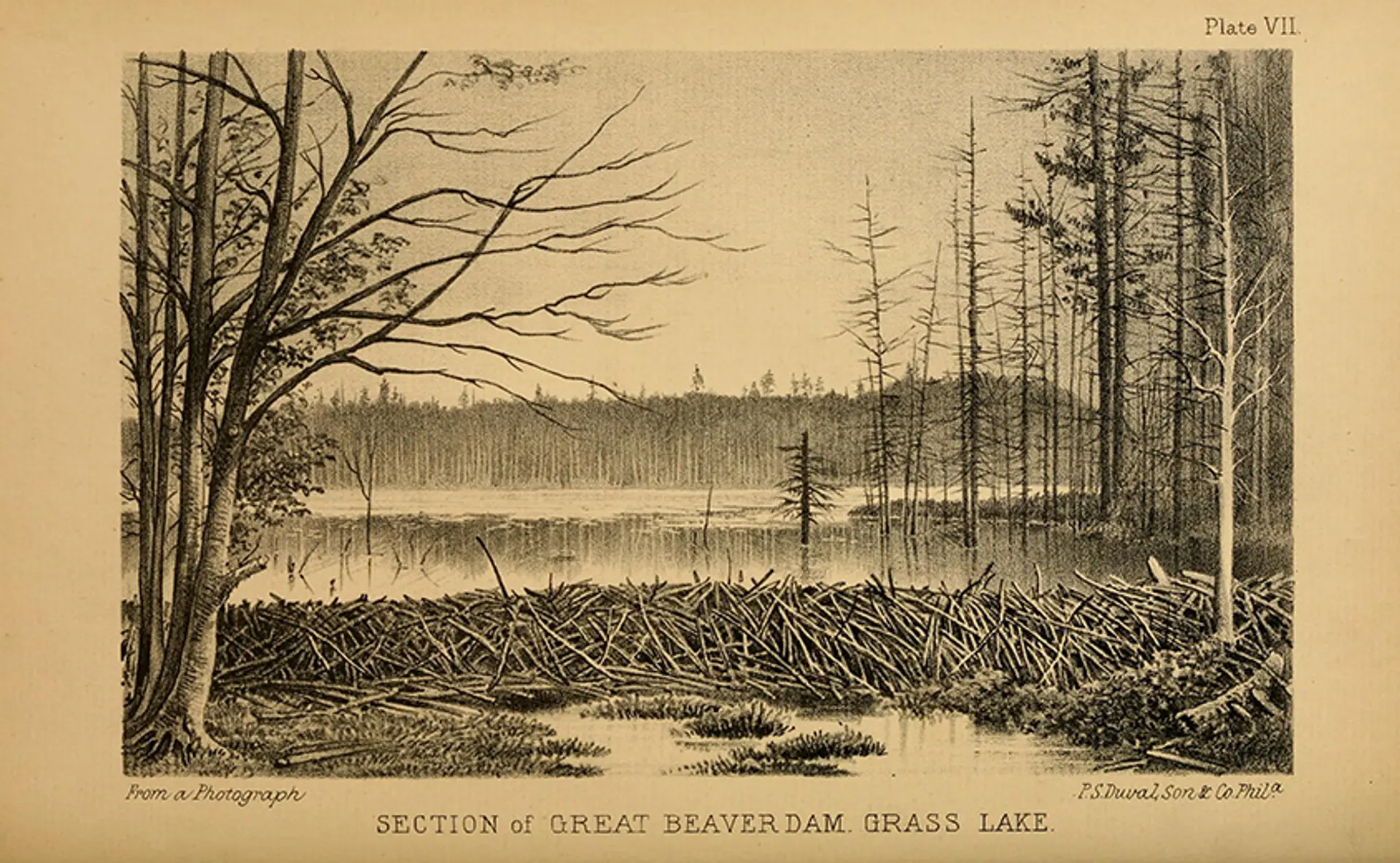
There is an essay I happened upon recently that cracked open a door to a room I had always thought locked.[i] ‘Our understanding of human exceptionalism has been coming apart. In the archaeological record, the line between what has traditionally been considered human culture and animal instinct is blurring… archaeological evidence suggests that some of our human ancestors were prompted to make art by engaging with the marks left behind by other species (by bears, in fact). Early humans may also have been inspired to build wooden structures by observing beaver dams, and learned to cultivate certain plant species by paying attention to the seeds that grew along bison trails. In other words: art, architecture and agriculture are not (only) human.’ Culture is something that is learned rather than inherited. Cultural traits are passed on from one generation to the next not through genes, but by observing and copying.
‘Exploring that question involves reconsidering not just archaeological evidence but the discipline of archaeology itself. As opposed to anthropology, which studies Anthropos (the ‘human’), archaeology, by definition, is not limited to our species alone.’
Furthermore, Archaeologists ‘are trained to identify the remains of other species from archaeological sites by analysing bones, teeth and shells… where and when wild species were tamed or domesticated, and how animals’ bodies were used as resources, whether for tools and adornments or as potent symbols in human societies.’ But they are not, generally, interested in the histories of the animals themselves, but rather how animals have intersected with human histories. They don’t ask what kinds of things bears may have discovered and forgotten centuries ago… Generally, archeology is the study of animals as material culture, not an archaeology of animals and their material culture.
This is based on a well-established belief: ‘humans make and do things because only we have culture, and when those things we make and do change over time, we call it history. When animals make and do things, we call it instinct, not culture. When the things they make and do change over time, we call it evolution, not history.’ But this is a strange way of thinking, isn’t it? When did we stop merely evolving from our long line of hominid ancestors, cross an irreversible threshold from nature to culture, and kickstart history?
‘The unique trajectory afforded to humans compared with all other animals is evident in paleoanthropologists’ use of the phrase ‘anatomically modern humans’. This terminology tries to make sense of the fact that there were members of our species hundreds of thousands of years ago who had the same morphological characteristics and physical capacities that we have today, but who seemingly had not yet taken the step into a new world of culture.’ But, ‘we never speak of ‘anatomically modern chimpanzees’ or ‘anatomically modern elephants’ because the assumption is that those species have remained entirely unchanged in their behaviours since they first took on the physical forms we see today. The difference, we assume, is that they have no culture.’ Uhmm…
Enough of the article, though; the reader can access it for themselves if they need further convincing… I’m merely trying to express my own surprise at the epiphany. I suppose that the idea is what Shakespeare was implying when he had Hamlet say to his friend on the battlements after seeing the ghost of his father, that ‘There are more things in heaven and earth, Horatio, than are dreamt of in your philosophy.’
Why do we find it so surprising that we can learn from animals? Learn from Nature? Do we think we were born in a vacuum, and have had to invent everything on our own? Are we not born of Nature? Are we not our own gods…?
[i] https://aeon.co/essays/did-animals-provide-the-blueprints-for-human-culture?
- April 2026
- March 2026
- February 2026
- January 2026
- December 2025
- November 2025
- October 2025
- September 2025
- August 2025
- July 2025
- June 2025
- May 2025
- April 2025
- March 2025
- February 2025
- January 2025
- December 2024
- November 2024
- October 2024
- September 2024
- August 2024
- July 2024
- June 2024
- May 2024
- April 2024
- March 2024
- February 2024
- January 2024
- December 2023
- November 2023
- October 2023
- September 2023
- August 2023
- July 2023
- June 2023
- May 2023
- April 2023
- March 2023
- February 2023
- January 2023
- December 2022
- November 2022
- October 2022
- September 2022
- August 2022
- July 2022
- June 2022
- May 2022
- April 2022
- March 2022
- February 2022
- January 2022
- December 2021
- November 2021
- October 2021
- September 2021
- August 2021
- July 2021
- June 2021
- May 2021
- April 2021
- March 2021
- February 2021
- January 2021
- December 2020
- November 2020
- October 2020
- September 2020
- August 2020
- July 2020
- June 2020
- May 2020
- April 2020
- March 2020
- February 2020
- January 2020
- December 2019
- November 2019
- October 2019
- September 2019
- August 2019
- July 2019
- June 2019
- May 2019
- April 2019
- March 2019
- February 2019
- January 2019
- December 2018
- November 2018
- October 2018
- September 2018
- August 2018
- July 2018
- June 2018
- May 2018
- April 2018
- March 2018
- February 2018
- January 2018
- December 2017
- November 2017
- October 2017
- September 2017
- August 2017
- July 2017
- June 2017
- May 2017
- April 2017
- March 2017
- February 2017
- January 2017
- December 2016
- November 2016
- October 2016
- September 2016
- August 2016
- July 2016
- June 2016
- April 2016
- January 2016
- December 2015
- November 2015
- October 2015
- September 2015
- August 2015
- July 2015
- June 2015
- May 2015
- April 2015
- March 2015
- February 2015
- January 2015
- December 2014
- November 2014
- October 2014
- September 2014
- August 2014
- July 2014
- June 2014
- May 2014
- April 2014
- March 2014
- February 2014
- January 2014
- December 2013
- November 2013
- October 2013
- September 2013
- August 2013
- July 2013
- June 2013
- May 2013
- April 2013
- March 2013
- February 2013
- January 2013
- December 2012
- November 2012
- October 2012
- September 2012
- August 2012
- July 2012
- June 2012
 musingsonwomenshealth.com
Leave a comment