Do I really have a true self? There was a time when it seemed obvious that I, quite apart from being an individual and not a replica of my neighbour, possessed a unique identity; or at least it was something that I would eventually have, because, as the philosopher Sartre wrote, existence precedes essence; I would define who I was by my actions, and choices; and these would eventually determine my identity: my essence. I wasn’t born to make certain decisions, I just did. My essence wasn’t somehow stitched into the egg and sperm that created me; there is no True Me that either my genes, or circumstances will necessarily force me to become.
Still, should I try to be like someone else, someone who I admired, or who has contributed to society? Perhaps, but wouldn’t that amount to a form of identity foreclosure (a term often defined as the premature commitment to an identity: the acceptance by individuals of a role, values, and goals that others may have suggested to them.) Might that not lock me into a viewpoint that I find difficult to change even if later circumstances suggest I should?
Identity is an interesting word, and one that lends itself to self-definition; it comes from the Latin identitas, with the root idem, which means ‘same’. So if I lose a stable identity have I lost who I am; would I no longer be me? An interesting question, don’t you think?
The problem, though, is that things around us are always changing; we cannot always predict what may happen next. If our still comfortable identity makes it difficult to react appropriately to new external influences, we might find it hard to accept a new one that can guide us more appropriately through the change and uncertainty.
Still, I wonder if what some have called our original nature is really the only important one -the one with which we were born: the unfettered, uncluttered, and naïve one… So, if we try too hard to establish a later definite identity for ourselves, we break faith with our original and true nature; the fluid, adaptable nature; the nature with the capacity to take on many forms without being defined or imprisoned.
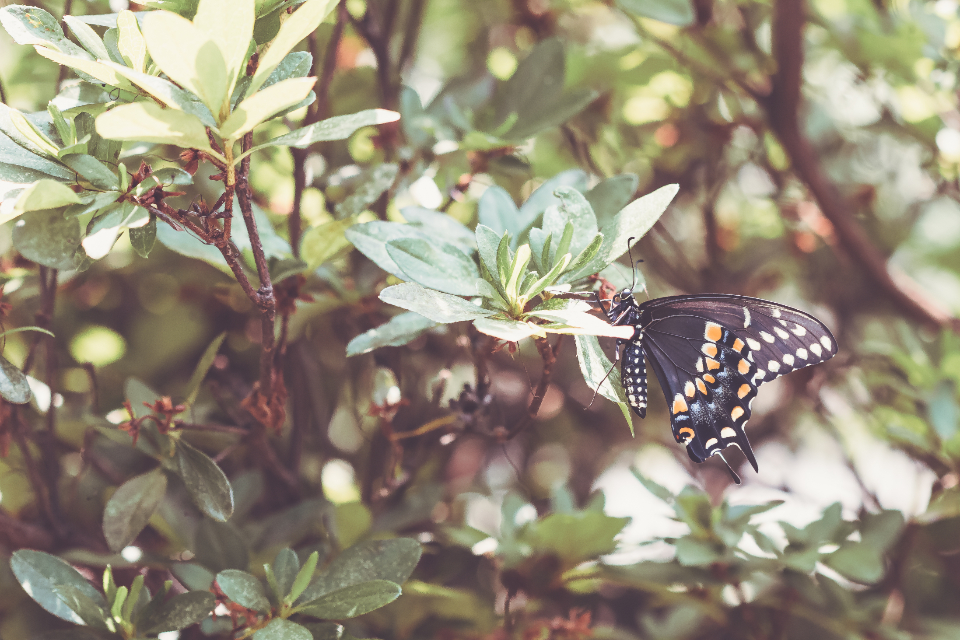
There is an ancient Chinese story about the influential philosopher Zhuangzi. ‘Zhuangzi awakens from a dream, in which he was a butterfly fluttering freely. He doesn’t know if he is Zhuangzi, who dreamt he was a butterfly, or a butterfly now dreaming of being Zhuangzi.’ This story puts Zhuangzi in contact with ‘the transformation of things’ – a reality in which identities are always fluid and never fixed.
Having left a long career in medicine a few years ago, and having had for all those years, a rather fixed identity, it was difficult for me to shed it in retirement; the tale of Zhuangzi seemed strangely apposite. What should become of the identity that had defined me? An identity that many of my colleagues still try to maintain in their retirement; an identity they continued to wear to prove they were still who they once were. Otherwise who, then, would be in control?
I wonder if the story of Zhuangzi’s dream helped me cope with no longer being a doctor, no longer being able to wear the clothes I was only lent for a time. A butterfly’s essence is fluttering, isn’t it? Maybe the lesson to be learned from it is to recognize the capacity for inner fluttering; an inner indefiniteness that lies hiding deep inside me; a butterfly simply waiting for me to open a window and let it wander freely like it used to…
That was an epiphany for me, but like most revelations, I had trouble putting it in words; trouble explaining it to any who were even interested enough to listen.
I had a friend who was a kindred spirit in medical school and we had stayed in tenuous phone and, later, Email contact over the years; still able to share unusual ideas that others would have rolled their eyes at for people of our advanced years. As Oscar Wilde once wrote ‘With Age comes Wisdom, but sometimes Age comes alone.’ Andrea and I used to joke about that when we were still in practice in our respective specialties in cities on different sides of the continent; joke about our lives beside the different oceans to which we were now privy. But we were both octogenarians now, both retired, and both playing in what seemed like the end game.
We hadn’t been in contact for several months because of her ill-health, but I thought I’d chance catching her at a lucid moment in her slowly dissipating cognitive skills; a phone call contact, not a cerebrally taxing Email or text. She was now living in a long-term care facility on the East coast, but still prided herself on what remained of her independence.
The phone rang for a long time, and I rechecked the 4 ½ hour time difference to make sure I wasn’t waking her up; finally, a groggy voice answered with a raspy ‘hello’ followed by a cough. Then, I suppose she glanced at the name on the screen of her phone and her rasp suddenly softened.
“G,” she said in an overly loud voice. “You still in Vancouver…? I keep hoping that you’re finally here in St. John’s…”
I wasn’t sure if she was joking; Andrea sometimes gets confused nowadays; she says it’s the medication she’s on, so I never press the point. “No, I’m still on the west coast Andy.” When she didn’t say anything to that, I replied the usual way: “But I’m still planning to visit you over there some day…”
She stayed quiet for a moment; then, “Well you better hurry up, eh? I’ve only got a leaf or two left on my branches, and they’re already changing clothes…”
Although she often uses that metaphor, it still makes me chuckle; I thought perhaps it was a good time to try my butterfly metaphor on her. “Remember the philosophy we used to talk about in the old days? The ancient wisdoms…?”
Silence for a moment, then “We talked about a lot of things, G…”
“Zhuangzi’s dream… Remember that one…?” Except for her stertorous breathing, she stayed silent. “Remember,” I reminded her, “He couldn’t decide whether he was dreaming of a butterfly, or it was dreaming of him…”
Her silence was a bit unnerving, but now that I had started, I figured I’d better continue with my epiphany. “Anyway, it made me wonder if the butterfly’s aimless fluttering between flowers or whatever, was telling me something about my life now… about my lack of direction. About my apparent lack of purpose since I retired…” I didn’t really know how to put it into words for her -or myself, for that matter.
Her voice, wavering and soft, crept into my ear from the phone. “You’ve always fluttered, G; you were always undecided about ideas or the essays you used to write no matter what else was going on… You never seemed to land for long… just like me; I suspect I’ve finally settled, though…”
I waited for her to continue with the thought, but it was a minute or so before she spoke in a stronger voice as something occurred to her. “Just remember the Butterfly Effect of chaos theory though, eh? Even a tiny change can cause unpredictable events in the future.”
Wow, Andy still has her moments.
“Still…” There was hesitation in her voice as things began to slip again. “When a butterfly stops dancing between things, I’d worry about it, wouldn’t you?” She was again silent for a time. “I think it would mean the butterfly is now dreaming of you…”
I hope Andy doesn’t stop dreaming for a while yet…
- April 2026
- March 2026
- February 2026
- January 2026
- December 2025
- November 2025
- October 2025
- September 2025
- August 2025
- July 2025
- June 2025
- May 2025
- April 2025
- March 2025
- February 2025
- January 2025
- December 2024
- November 2024
- October 2024
- September 2024
- August 2024
- July 2024
- June 2024
- May 2024
- April 2024
- March 2024
- February 2024
- January 2024
- December 2023
- November 2023
- October 2023
- September 2023
- August 2023
- July 2023
- June 2023
- May 2023
- April 2023
- March 2023
- February 2023
- January 2023
- December 2022
- November 2022
- October 2022
- September 2022
- August 2022
- July 2022
- June 2022
- May 2022
- April 2022
- March 2022
- February 2022
- January 2022
- December 2021
- November 2021
- October 2021
- September 2021
- August 2021
- July 2021
- June 2021
- May 2021
- April 2021
- March 2021
- February 2021
- January 2021
- December 2020
- November 2020
- October 2020
- September 2020
- August 2020
- July 2020
- June 2020
- May 2020
- April 2020
- March 2020
- February 2020
- January 2020
- December 2019
- November 2019
- October 2019
- September 2019
- August 2019
- July 2019
- June 2019
- May 2019
- April 2019
- March 2019
- February 2019
- January 2019
- December 2018
- November 2018
- October 2018
- September 2018
- August 2018
- July 2018
- June 2018
- May 2018
- April 2018
- March 2018
- February 2018
- January 2018
- December 2017
- November 2017
- October 2017
- September 2017
- August 2017
- July 2017
- June 2017
- May 2017
- April 2017
- March 2017
- February 2017
- January 2017
- December 2016
- November 2016
- October 2016
- September 2016
- August 2016
- July 2016
- June 2016
- April 2016
- January 2016
- December 2015
- November 2015
- October 2015
- September 2015
- August 2015
- July 2015
- June 2015
- May 2015
- April 2015
- March 2015
- February 2015
- January 2015
- December 2014
- November 2014
- October 2014
- September 2014
- August 2014
- July 2014
- June 2014
- May 2014
- April 2014
- March 2014
- February 2014
- January 2014
- December 2013
- November 2013
- October 2013
- September 2013
- August 2013
- July 2013
- June 2013
- May 2013
- April 2013
- March 2013
- February 2013
- January 2013
- December 2012
- November 2012
- October 2012
- September 2012
- August 2012
- July 2012
- June 2012
 musingsonwomenshealth.com
Leave a comment