Whoa…! Hybristophilia? I love new words; I enjoy trying to figure out what they mean before I look them up. The philia part seems easy enough: it’s from the Greek word for fondness, or love. But the hybristo didn’t ring any memory bells; the sound of the word reminded me of the Nabisco Shredded Wheat breakfast cereal of my youth (now Post shredded wheat apparently).
I can’t say that I ever had ‘Nabiscophilia’ either, but I certainly preferred it to its winter breakfast substitute. My mother insisted that we exchange shredded wheat for lumpy warm porridge breakfasts as soon as the first snow fell; mind you in those post WWII days in Winnipeg, the winters were fierce, and the breakfast choices few, so I think that along with her weekly spoonfuls of cod-liver oil supplements to us she was just being careful.
Still, Hybristophilia seemed foreign and perhaps even dangerous, when I first saw the word -you probably wouldn’t want a hybristophile sitting next to you on a busy downtown bus, or anything… if you actually knew what one might look or smell like, that is.
It turns out that Hybristophilia is from the Greek word hybrizein, to commit an outrage against someone -not somebody you might expect in a restaurant, but it’s nice to have a word filed away for the occasion just in case, I suppose.
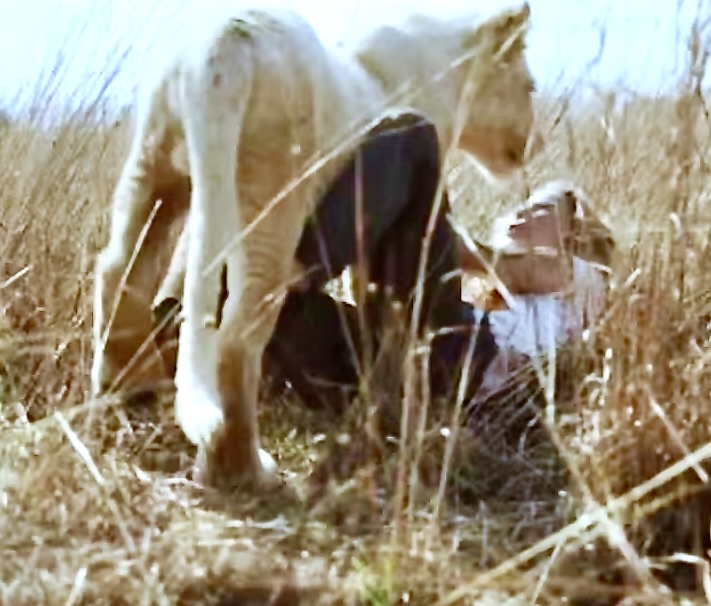
Where do I get this stuff, you might be muttering to yourself as you hurriedly move on to another essay? Well, I have to confess to being rabbit-holed into an intriguing-sounding essay in the Conversation[i] because it featured a picture of a large white cat standing over what I took to be a young girl lying in the grass -(I only got part way through it en français and then surrendered to a Google translator).
Many of the bedtime stories read to me when I was a child, were actually allegories, time-honoured myths. Hansel and Gretel, Cinderella, Goldilocks and the Three Bears, among many others, were not only entertaining, but had lessons to teach that I doubt either of my parents on bed-duty fully appreciated. I still wonder about them sometimes…
I enjoyed the stories but often fell asleep before the underlying meaning sank in. Perhaps that’s why the essay (albeit en français) awoke something of a primal memory in the adult me (okay the octogenarian me who finally had sufficient time to gather and collate what memory fragments remained).
It would seem that there is a particular subtype of these tales that feature ‘a symbolic ruse in which the animal is the metaphorical incarnation of the serial killer while the heroine, a young girl in the process of sexual, psychological and social maturation, illustrates the disturbing case of hybristophilia, a condition that designates the morbid attraction that some women can feel towards dangerous criminals.’ I mean, where did that come from? I can’t remember anything read to me which touched on anything as sinister as a symbolic ruse. I suppose the fact that I was a little boy would have doused some of my fears after the lights were turned off, but more likely it was the presence of my faithful dog who was lying on the carpet beside the bed.
Little could I have guessed that years later, the theme of the predatory male in those stories could be transmogrified into a tale more commensurate with the times we now inhabit: one of animal rights. I’m good with that. The essay explained that ‘the narrative logic is reversed. The Beast in the tale is no longer a danger to the girl, but a victim of human wickedness: he is a wolf persecuted by farmers, a lion hunted by cruel tourists, a jaguar whose species is threatened with extinction.
‘Although this call for mercy for the fauna is legitimate in the register of reality, it becomes a fallacious means of exonerating the mythical Beast from the crimes committed in the symbolic telling of the tale: the kidnapping, the sequestration and the repeated rape of Beauty.’
I began to suspect that I had been inadvertently sucked into a disguised jeremiad which was only slightly, yet inadequately, obfuscated by a detour which, after a brief change of scenery soon looped back onto the main road again. Perhaps my enjoyment of the distraction on the alternate route spoiled me, but I found it difficult to rejoin the initial journey.
Far more apposite though, are my real journeys with strange people on the city buses where any hybristic thoughts about dangerous criminals are diluted by the smiles and laughter which usually surround me. I mean there could well be those who, given different circumstances, might be tempted to hybrist (or whatever the verb is), but I think most of those sit at the back of the bus for some reason. At any rate, that’s where I occasionally hear somebody yelling, although am reluctant to turn my head pinpoint the cause, for fear of becoming a target myself.
Anyway, I’m usually riding in the senior section in the front, so I have little to do with any ruckus in the rear, and there’s little about me to suggest I might be tempted to employ any reactive hybristic behaviour even if I were elbowed or ‘back-packed’ by someone beside me swaying in the aisle.
Maybe hybristophilia had been put to bed for a while after WWII; I could grow up believing that stories like the ‘Three Little Pigs’ and their Big Bad Wolf not being able to blow down the house made of bricks were actually enlightening. Same with Hansel and Gretel -I mean, they escape, right? And Cinderella, lived happily ever after, eh?
That’s what my father told me anyway, even though my mother just rolled her eyes whenever he tried to explain the meaning of the stories he read…
[i] https://theconversation.com/craquer-pour-un-predateur-voici-des-contes-qui-font-lapologie-de-lhybristophilie-a-votre-insu-255693?
- April 2026
- March 2026
- February 2026
- January 2026
- December 2025
- November 2025
- October 2025
- September 2025
- August 2025
- July 2025
- June 2025
- May 2025
- April 2025
- March 2025
- February 2025
- January 2025
- December 2024
- November 2024
- October 2024
- September 2024
- August 2024
- July 2024
- June 2024
- May 2024
- April 2024
- March 2024
- February 2024
- January 2024
- December 2023
- November 2023
- October 2023
- September 2023
- August 2023
- July 2023
- June 2023
- May 2023
- April 2023
- March 2023
- February 2023
- January 2023
- December 2022
- November 2022
- October 2022
- September 2022
- August 2022
- July 2022
- June 2022
- May 2022
- April 2022
- March 2022
- February 2022
- January 2022
- December 2021
- November 2021
- October 2021
- September 2021
- August 2021
- July 2021
- June 2021
- May 2021
- April 2021
- March 2021
- February 2021
- January 2021
- December 2020
- November 2020
- October 2020
- September 2020
- August 2020
- July 2020
- June 2020
- May 2020
- April 2020
- March 2020
- February 2020
- January 2020
- December 2019
- November 2019
- October 2019
- September 2019
- August 2019
- July 2019
- June 2019
- May 2019
- April 2019
- March 2019
- February 2019
- January 2019
- December 2018
- November 2018
- October 2018
- September 2018
- August 2018
- July 2018
- June 2018
- May 2018
- April 2018
- March 2018
- February 2018
- January 2018
- December 2017
- November 2017
- October 2017
- September 2017
- August 2017
- July 2017
- June 2017
- May 2017
- April 2017
- March 2017
- February 2017
- January 2017
- December 2016
- November 2016
- October 2016
- September 2016
- August 2016
- July 2016
- June 2016
- April 2016
- January 2016
- December 2015
- November 2015
- October 2015
- September 2015
- August 2015
- July 2015
- June 2015
- May 2015
- April 2015
- March 2015
- February 2015
- January 2015
- December 2014
- November 2014
- October 2014
- September 2014
- August 2014
- July 2014
- June 2014
- May 2014
- April 2014
- March 2014
- February 2014
- January 2014
- December 2013
- November 2013
- October 2013
- September 2013
- August 2013
- July 2013
- June 2013
- May 2013
- April 2013
- March 2013
- February 2013
- January 2013
- December 2012
- November 2012
- October 2012
- September 2012
- August 2012
- July 2012
- June 2012
 musingsonwomenshealth.com
Leave a comment